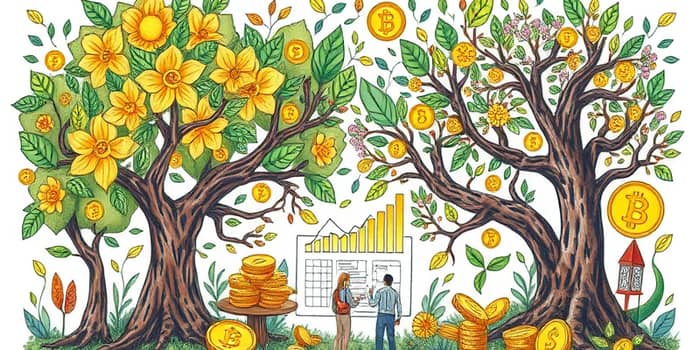
In today’s fast paced world, relying on a rigid budget is no longer enough. Businesses and individuals face unprecedented changes that demand an adaptive planning approach capable of evolving with shifting priorities and unforeseen challenges.
By moving beyond traditional budgeting models, stakeholders can unlock greater transparency, autonomy, and long term impact. This article explores how to construct a holistic financial roadmap that integrates environmental, social, and governance principles, embraces continuous improvement, and fosters regenerative growth.
Traditional budgeting often operates on fixed annual cycles that fail to capture the fluidity of modern markets. By combining target setting, forecasting, and resource allocation into a single process, it limits responsiveness and obscures true performance drivers.
Without clear separation of processes, teams struggle to understand real-time needs and outcomes. This leads to missed opportunities for growth and inefficient resource allocation during critical moments.
The Beyond Budgeting approach redefines how goals, forecasts, and allocations interact. It separates these three processes into ongoing practices that empower decentralized teams and prioritize long term value over quarterly results.
Central to this model is trust and autonomy. Teams receive the authority to make resource decisions based on immediate requirements, fostering a culture of ownership and accountability. Open data sharing across departments ensures every stakeholder has clarity into performance metrics and underlying assumptions.
Success metrics extend beyond financial outcomes to include customer satisfaction scores, employee engagement trends, and environmental impact measures. This multi dimensional success framework encourages sustainable decision making at every level.
Creating a durable financial plan begins with a solid foundation. Whether for personal finance or organizational budgets, the following steps ensure clarity and flexibility:
Incorporating digital tools provides real time visibility and automated alerts for upcoming deadlines and overspending risks. A continuous improvement cycle with monthly reviews helps refine assumptions, correct variances, and update forecasts to reflect actual results.
Establish clear categories that align with personal aspirations or organizational mission, such as necessities, growth investments, sustainability initiatives, and flexibility reserves. This structure supports agile reallocation when priorities shift.
Integrating environmental, social, and governance factors transforms a financial plan into a strategic asset for long term prosperity. Known collectively as ESG, these criteria extend the focus beyond pure profit to consider ecological impact, community well being, and ethical governance.
To embed ESG into financial planning, set measurable targets such as carbon emissions reductions, water usage controls, and sustainable supplier percentages. Use recognized frameworks like GRI and TCFD for transparent reporting and benchmark progress against global standards.
Threshold investing takes ESG a step further by measuring actual environmental and social boundaries, ensuring financial activities stay within regenerative limits. This regenerative finance model designs systems that replenish natural capital while delivering returns.
Implementing a sustainable financial roadmap requires structured phases and clear accountability. The table below outlines a recommended five phase process, from initial engagement to ongoing refinement.
Uncoupling resource allocation from forecast cycles allows teams to request and receive funding in response to real time needs, rather than waiting for annual approvals. This dynamic allocation process fuels rapid innovation and timely adjustments.
Active stakeholder engagement builds trust and ensures that plans reflect diverse perspectives. Internally, involve teams at every level in goal setting and resource requests. Externally, share performance data openly to strengthen community and investor confidence.
A robust reporting framework includes monthly or quarterly performance reviews, transparent dashboards, and scenario stress tests. By iterating targets, allocations, and forecasts in short cycles, organizations achieve greater agility and resilience to market shifts.
Engagement rituals such as collaborative workshops and public scorecards keep everyone aligned and motivated. Celebrating small wins and sharing improvement stories fosters a culture of continuous learning.
Digital platforms play a critical role in real time monitoring and scenario planning. Tools designed for sustainable finance often integrate budgeting, ESG tracking, and stakeholder communications in a single interface.
Risk management should address both financial and sustainability related exposures. Build buffers for unexpected costs, and include climate, social, and regulatory risks in mitigation plans. A resilient blueprint weaves risk controls into every decision, ensuring continuity and adaptability.
Scenario analysis and stress testing prepare stakeholders for a range of possible futures. This resilience focused methodology strengthens confidence and readiness for disruptive events.
Moving beyond the budget is more than a methodology change; it is a cultural shift toward trust, transparency, and systemic impact. By creating an integrated financial blueprint grounded in ESG principles and continuous learning, individuals and organizations unlock sustainable growth and contribute to regenerative economies.
Start today by challenging rigid annual budgets. Embrace decentralized decision making, set broad value metrics, and refine your approach in short review cycles. The future of finance lies not in constraints but in adaptability, collaboration, and a commitment to long term societal benefit.
References