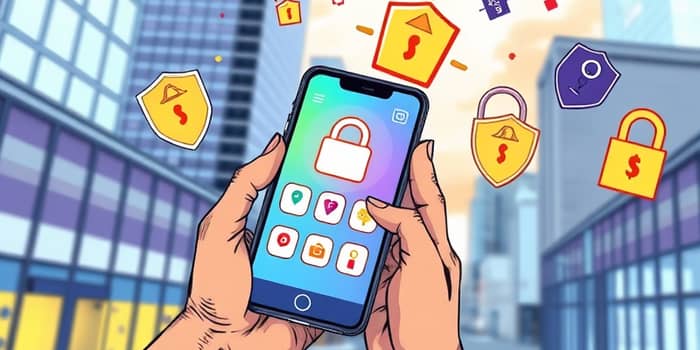
In the fast-paced digital era, managing money has evolved beyond cash and cards. Digital wallets are at the forefront of this revolution, offering a convenient way to handle finances on the go.
By mid-2025, global users exceeded 4.3 billion, showcasing an unstoppable trend. This growth is reshaping how we interact with money daily.
Transaction volumes are projected to hit $17 trillion by 2029, a surge of 73% from 2024. This statistic highlights the rapid adoption and trust in these tools.
The convenience of tapping a phone for payments is now a global norm. Digital wallets store payment information securely on mobile devices.
They enable contactless transactions through apps like Apple Pay and Google Wallet. This innovation bridges the gap between online and in-store shopping.
Global adoption rates are staggering. Digital wallet spending reached $41 trillion in 2024 alone.
This accounted for 83% of global digital payment volume. Half of these transactions occurred in-store, and half online.
By 2029, spending is forecasted to grow to $55.9 trillion. The market is expected to reach $119.17 billion at a 20.4% CAGR.
Users are projected to surpass three-quarters of the global population by 2030. Over 5.3 billion users are anticipated by 2026.
In the US, adoption is accelerating rapidly. 65% of US adults used digital wallets by mid-2025.
This is up from 57% in 2024, indicating steady growth. They accounted for 39% of e-commerce and 16% of in-store transactions in 2024.
By 2030, projections show 52% online and 30% point-of-sale usage. Proximity mobile payments hit $670.5 billion in 2024.
This is expected to exceed $1 trillion by 2027. Consumer preferences are shifting towards digital methods.
59% of consumers used a digital wallet in the past 90 days. 29% prefer them for online purchases.
55% favor them for cross-border payments over traditional wires. Nearly 90% of North Americans now use digital payments.
Over half of Gen Z and Millennials rely on wallets daily. This generational shift is driving mainstream acceptance.
Digital wallets function by storing payment data on your device. This includes credit cards, bank accounts, and loyalty programs.
They use technologies like NFC for contactless payments. QR codes and online integrations enhance versatility.
The transaction process is designed for speed and security. Below is a breakdown of the typical steps involved.
This layered approach ensures that your financial information is safe. It transforms every transaction into a secure event.
Security is a cornerstone of digital wallet technology. These tools employ multiple layers to protect users.
Tokenization replaces your 16-digit card number with a secure token. Merchants never see your actual card details, reducing fraud risk.
Encryption shields data both in transit and at rest. This makes it unreadable to unauthorized parties.
One-time codes are generated for each transaction. This prevents data from being reused if intercepted.
Biometric authentication uses fingerprints or facial recognition. It adds a personal layer of security that is hard to bypass.
Device-level controls ensure that only your phone can access the wallet. This includes features like remote locking if lost.
Platform-specific measures are also critical. Mobile wallets follow OWASP MASVS guidelines for secure storage.
Web interfaces use browser sandboxes to minimize risks. Desktop applications protect against malware and superuser attacks.
Supply chain security involves vetting third-party dependencies. This ensures that no vulnerabilities are introduced.
Compliance with regulations like GDPR and CCPA is essential. It mandates data encryption and user control over information.
Hot wallets often limit daily funds to reduce risk. This is a practical approach to managing potential losses.
Compared to physical cards, digital wallets offer superior security. They integrate physical and device controls for comprehensive protection.
Adoption is driven by convenience, security, and rewards. Users appreciate the ease of making payments with a tap.
Security features like biometrics build trust. Loyalty incentives encourage repeated usage.
Online and e-commerce transactions lead in preference. 29% to 52% of users project to favor them by 2030.
In-store usage is growing, from 16% to 30% projected. Cross-border payments are favored over traditional methods.
2025 trends include AI-driven personalization and enhanced biometrics. These innovations make wallets smarter and more secure.
The shift from early adopters to general users is complete. Digital payments are now a part of everyday life.
Fintech growth continues, though the pace is debated. This reflects the dynamic nature of the industry.
Managing your digital wallet safely requires proactive steps. Follow these guidelines to protect your finances.
Use strong, unique passwords and PINs for all accounts. Enable biometric authentication whenever possible.
Keep your operating system and apps updated regularly. This patches vulnerabilities that hackers might exploit.
Monitor your accounts and transactions for any anomalies. Early detection can prevent significant losses.
These practices form a robust defense against common threats. They empower you to use digital wallets with confidence.
The future of digital wallets is bright and transformative. Businesses must adapt to stay competitive.
Integrating wallet support is crucial for customer retention. E-commerce platforms prioritize this for seamless checkout experiences.
Projections show global transactions exceeding $10 trillion by 2025. The US remains an innovation leader in this space.
Immature markets offer strong growth potential. Strategic shifts are necessary for long-term success.
Digital wallets are not just a trend; they are the future of finance. They empower individuals with greater control over their money.
As technology advances, expect more integrations and features. The journey towards a cashless society is well underway.
Embrace these tools with knowledge and caution. They can enhance your financial life in profound ways.
Stay informed about new developments and security updates. This ensures you reap the benefits while minimizing risks.
Digital wallets are here to stay, decoding them is your key to financial freedom.
References