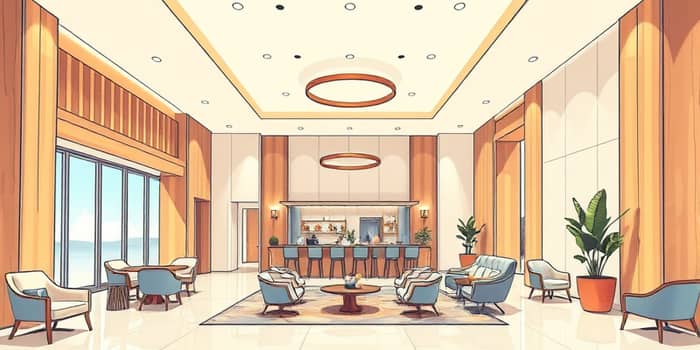
In an era where excess often overshadows essence, a transformative approach is reshaping luxury. Lean luxury focuses on delivering high-quality experiences by eliminating the superfluous and emphasizing what truly enriches life.
This philosophy champions efficiency without compromise. It invites you to savor every moment, knowing that value stems from purpose, not pretense.
From urban hotels to custom homes, industries are reimagining indulgence. Modern consumers seek meaningful connections over mere displays of wealth.
Ruby Hotels, founded in 2013 by Michael Struck, pioneered this movement in Munich. They targeted travelers who crave authenticity and inspiration.
Their design philosophy strips away ostentation. Instead, it celebrates character and local roots.
Matthew Balon, Head of Design, highlights the core idea. He says luxury should offer something meaningful like a great bed.
Key elements include precious cherry wood and cashmere window-sills. The ambiance favors rough edges and genuine laughter.
This model reduces overheads through space optimization. It makes luxury casual and highly affordable.
Related brands like citizenM and Locke embrace similar principles. They focus on smart aesthetics and sustainability.
These innovations resonate with postmodern travelers. They value efficiency and personal enrichment.
In construction, lean principles draw from manufacturing to cut waste. Toll Brothers achieved a 23% reduction in cycle times.
They also saved $2.3 million annually in material waste. This approach maintains quality while boosting ROI.
The strategy targets eight types of waste that drain resources. Eliminating these enhances productivity and client satisfaction.
Builders employ various tools to address these issues. The table below outlines key methods and their impacts.
Success is measured across multiple categories. This ensures balanced progress and client delight.
Implementation requires a cultural shift. Start with pilot projects to demonstrate benefits.
This approach not only saves money but also builds better homes. Homeowners enjoy faster completion times and superior craftsmanship.
In fashion, lean thinking offers a path to streamline production. The goal is to preserve value while reducing unnecessary work.
This involves focusing on efficient manufacturing processes. Brands must balance exclusivity with operational smartness.
By eliminating waste in design and supply chains, they can maintain premium appeal. Efficiency enhances sustainability efforts without diluting brand identity.
Consumers benefit from high-quality pieces that last longer. This aligns with a growing desire for ethical and meaningful purchases.
Lean luxury transcends industries by prioritizing value maximization. It encourages investing in elements that enhance experience.
Sustainability is a natural outcome of this approach. Space-saving designs and reduced waste benefit the planet.
During crises like the pandemic, lean models proved resilient. Ruby Hotels experienced growth by adapting quickly.
The target audience is individualistic and urban. They seek inspiration over traditional status symbols.
Future trends point towards hybrid spaces. These blend work, relaxation, and play seamlessly.
Contactless technology and predictive operations will become standard. They offer hygienic and efficient experiences.
Embrace lean luxury in your own life. Start by evaluating what truly brings you joy and eliminate the rest.
In hospitality, choose hotels that focus on comfort and local culture. In construction, opt for builders who use lean methods.
In fashion, support brands that value quality over quantity. Every dollar spent should enrich your journey.
This philosophy inspires a more mindful and fulfilling lifestyle. It proves that luxury can be both accessible and extraordinary.
By focusing on essentials, you unlock deeper satisfaction. Lean luxury is not about sacrifice; it's about smart elevation.
Let this guide you towards experiences that resonate. Value per dollar becomes a measure of true wealth.
Imagine a world where waste is minimized and joy maximized. That is the promise of lean luxury, waiting for you to explore.
References