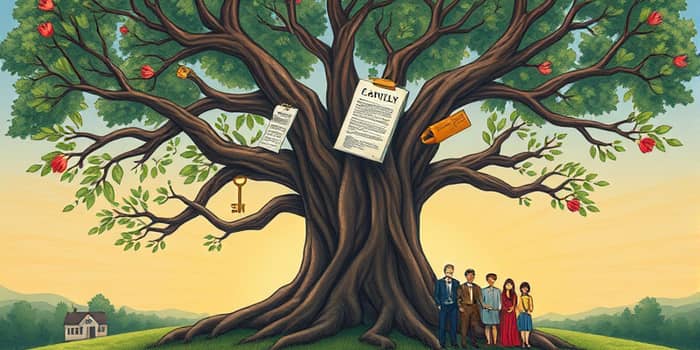
Estate planning is about more than passing down assets to loved ones—it’s about crafting a roadmap that protects what matters most and eases burdens during life’s most challenging moments. By taking intentional steps now, you can build financial security for future generations and offer peace of mind to those you care about.
Whether you’re just beginning your career or approaching retirement, creating a thoughtful estate plan ensures your values, wishes, and responsibilities are honored. From health directives to guardianship decisions, each component plays a vital role in securing your legacy.
At its core, estate planning encompasses everything you own and owe—your home, investments, personal belongings, and debts. It defines how these elements are managed if you become incapacitated and how they’re distributed after your passing.
Good planning addresses two key phases: management during life (powers of attorney and healthcare directives) and distribution after death (wills, trusts, beneficiary designations). A clear plan can simplify the probate process efficiently, minimize disputes, and preserve your values for future generations.
The first step is taking stock of everything you own and owe. A thorough inventory lays the groundwork for informed decisions later on.
Subtract your debts from the total assets to determine your net estate. This figure guides distribution strategies, tax planning, and discussions about trusts.
Once you understand what you have, decide what you want to achieve. Do you wish to provide ongoing support for minor children, ensure care for a spouse, or leave a charitable gift? Identifying priorities early shapes every subsequent step.
Consider the ages, financial maturity, and special needs of potential beneficiaries. For children who are minors or adults with disabilities, you may set up structured support through trusts or educational funds. Defining these objectives now will help you create a plan that aligns with your hopes and values, and ensure your medical wishes are respected during critical moments.
Your estate plan depends on trustworthy individuals to carry out your intentions. Choosing the right people is as important as drafting the documents themselves.
Discuss responsibilities in advance and confirm willingness to serve. Selecting someone solely based on family hierarchy can lead to challenges—choose competence and availability over tradition.
Key documents transform your intentions into legally enforceable instructions. Below is a summary of core estate planning instruments and their functions:
Taxes and fees can significantly erode your estate’s value. Effective planning seeks to minimize estate taxes and administrative costs through strategies like lifetime gifting, charitable trusts, and leveraging tax exemptions.
Evaluate federal and state estate tax thresholds, gift-tax limits, and generation-skipping transfer taxes. For large estates, consider professional guidance to navigate these rules and optimize asset transfers.
Certain situations require extra attention:
• Special-needs beneficiaries: Use dedicated trusts to protect eligibility for government benefits.
• Digital assets: List online accounts, passwords, and instructions for heirs to access digital property.
• Business ownership: Plan for succession, buy-sell agreements, and continuity strategies to keep operations running smoothly.
Avoid these frequent mistakes: outdated beneficiary designations, failing to review your plan after major life events, and not communicating key details to your heirs.
Estate planning is not a one-time task. Life changes—marriage, divorce, births, deaths, financial shifts—demand periodic updates. Aim to review your plan every three to five years or after any significant event.
By staying proactive, you maintain clarity and reduce family conflict, ensuring your legacy unfolds exactly as you envision.
Estate planning empowers you to shape the future, safeguard your loved ones, and leave a meaningful legacy. Start today by taking small, deliberate steps—inventory your assets, define your goals, select your trusted advisors, and assemble your documents. These actions will pay dividends in peace of mind and protection for generations to come.
References