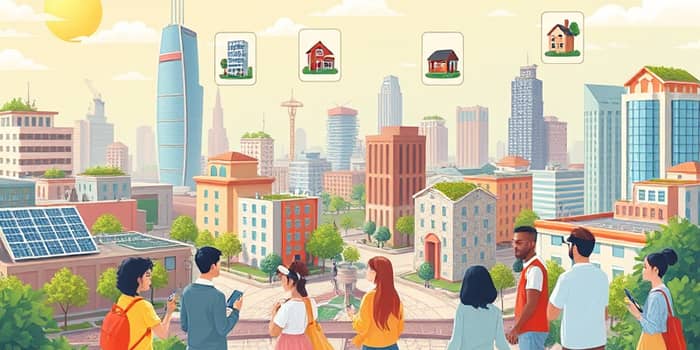
The world of property investment is on the brink of a transformative era, where innovation meets opportunity in unprecedented ways.
As we look towards 2025, the rules are being rewritten by technology, sustainability, and shifting demographics.
This evolution promises not just profits, but a chance to shape communities and build a better future for all.
Whether you're a seasoned investor or just starting out, understanding these changes is key to thriving in the new landscape.
Let's dive into the core trends that will define real estate in the coming years.
Technology is no longer a luxury; it's a necessity for staying competitive in real estate.
Artificial intelligence and PropTech are revolutionizing every aspect of the industry.
From AI-driven property valuations to virtual reality tours, tech savvy investors gain an edge by automating processes and enhancing decision-making.
Here are some key technological advancements to watch:
Investment in PropTech is rising, with over 50% of funding going into green startups.
This integration not only attracts high-net-worth buyers but also streamlines operations for better returns.
Sustainability has moved from a niche concern to a mainstream demand in property markets.
Energy-efficient homes with features like solar panels and smart grids are becoming standard.
Eco-friendly materials and water conservation systems, such as rainwater harvesting, are driving tenant premiums and reducing operating costs.
Governments offer incentives like tax breaks for green certifications, making it a win-win for investors.
The benefits of sustainable investment are clear:
By focusing on green features, investors can secure long term wealth while contributing to a healthier planet.
Changing demographics are reshaping housing demand, with millennials and Gen Z leading the charge.
These generations favor flexible living arrangements, such as co-living and build-to-rent communities.
Multi-generational purchases and friend-pooled investments are emerging to tackle affordability challenges.
Senior housing is another growth area, driven by an aging baby boomer population.
Key demographic trends include:
Understanding these shifts allows investors to tap into resilient markets and cater to evolving lifestyles.
The geographic focus of real estate is expanding, with secondary and tertiary markets gaining traction.
Remote work has fueled a migration to affordable cities like Boise, ID, and Tampa, FL.
The Sun Belt region is booming, with population projected to grow from 50% to 55% by 2040.
Internationally, Asia-Pacific markets such as Manila and Sydney show strong residential growth.
Here are some geographic hotspots to consider:
By diversifying into these areas, investors can maximize returns and reduce reliance on saturated markets.
Identifying the right sectors is crucial for successful property investment in 2025.
From build-to-rent communities to data centers, opportunities abound for those who do their homework.
The table below outlines key sectors and their appeal:
Each sector offers unique benefits, from the resilience of industrial assets to the social impact of affordable housing.
Interest rates are moderating, boosting demand and improving affordability for investors.
To succeed in this reimagined real estate landscape, practical steps are essential.
Start by leveraging technology to streamline your investment processes and gain insights.
Focus on sustainability to attract tenants and benefit from government incentives.
Target demographic-driven markets like senior housing or flexible rental models.
Explore secondary geographic markets for better yields and growth potential.
Consider pooling resources with others to overcome affordability barriers.
Key actions to take include:
By following these insights, you can navigate uncertainties and build a robust investment strategy.
The future of real estate is bright, filled with opportunities for those willing to innovate and adapt.
Embrace the change, invest wisely, and be part of shaping tomorrow's communities.
References