Refinancing a mortgage is more than a financial transaction—it’s a transformative journey toward greater financial security and lasting peace of mind. By mastering the process, homeowners can unlock hidden equity, reduce monthly burdens, and reimagine their long-term goals. In 2025, with shifting rates and increasing home values, the art of refinancing offers a powerful opportunity to reshape your financial future.
Mortgage refinancing involves replacing your existing home loan with a new mortgage that offers more favorable terms. Your new lender pays off the old loan, and you begin a fresh repayment schedule on the updated mortgage.
This strategic move can serve various purposes: easing monthly cash flow, shortening the amortization period, accessing equity, or switching loan structures. When approached thoughtfully, refinancing becomes a tool to align your home financing with evolving personal and market conditions.
In 2025, economic dynamics have created compelling conditions for borrowers. Interest rates have fluctuated, allowing homeowners the chance to lock in a lower interest rate compared to their original mortgage. As home values climb in many regions, equity positions strengthen, enabling more attractive and flexible refinancing options.
At the same time, global and local uncertainties highlight the value of predictable costs. Homeowners with adjustable-rate mortgages (ARMs) may find renewed comfort in moving to fixed-rate products, ensuring stable payments even amid rate volatility.
Before committing, always calculate your break-even point. If you plan to move before covering costs, refinancing may not be advantageous. Use online calculators to run scenarios and compare total expenses versus long-term savings.
As a rule of thumb, target a rate reduction of 0.5% to 1% to justify the transaction. If you envision residing in your home beyond the break-even horizon, consider paying points for a permanently lower rate.
Keep a close eye on rate announcements and economic indicators. Even marginal rate dips can yield significant savings over decades. Rising home values in 2025 mean more homeowners qualify for cash-out refinancing, unlocking funds for renovations or debt consolidation.
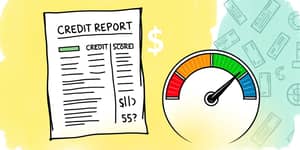
Consult with mortgage brokers or financial advisors to secure personalized quotes. Remember, multiple credit inquiries within a brief 14–45 day window typically count as one inquiry, preserving your credit score during rate shopping.
If you anticipate moving before your break-even point, the upfront costs—often 2%–5% of your loan amount—can outweigh the benefits. Similarly, if your credit profile has weakened or rates have risen since your original mortgage, explore alternative strategies like principal prepayments or short-term financing.
Refinancing your mortgage in 2025 is both an art and a science. By combining detailed market analysis with clear, practical steps, you can harness this powerful financial tool to lower payments, accelerate equity growth, and achieve long-term stability. Take the time to compare offers, understand costs, and align your refinancing plan with your personal goals. In mastering this process, you’ll unlock not just better loan terms, but lasting financial confidence for the years ahead.
References