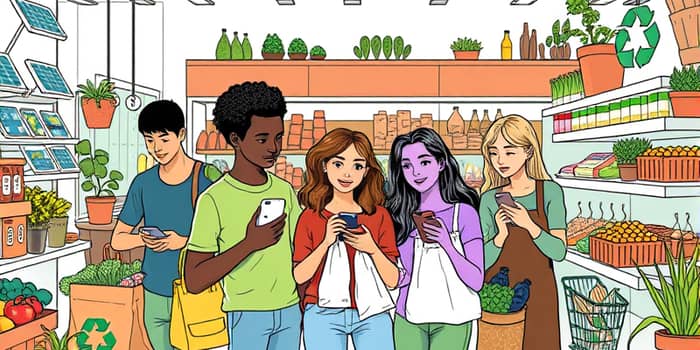
In 2025, a profound transformation is reshaping how we spend our money. The era of mindless consumerism is fading, replaced by a movement where every purchase carries intention and impact.
This shift is driven by a collective awakening to economic and environmental realities. Consumers now prioritize long-term value over fleeting trends, seeking to align their spending with deeper values.
As financial pressures mount, people are embracing budgeting tools and mindful habits to navigate uncertainty. This isn't about deprivation; it's about empowerment through purposeful choices.
Understanding why this change is happening helps us adapt and thrive. Several key factors are propelling the rise of the conscious consumer.
Economic instability is a major catalyst. With rising living costs and geopolitical concerns, household savings are declining while credit card debt climbs.
This has led to hyper-awareness of spending. People are setting strict budgets and leveraging technology for control.
These drivers are interconnected, creating a powerful momentum toward more intentional purchasing behaviors. It's a response to a world in flux.
Conscious consumerism manifests in specific trends that redefine how we shop. These practices offer practical ways to spend with purpose.
Intentional purchasing is at the core. Scrutinizing products for long-term value becomes a daily habit, resisting impulse buys.
Sustainability is no longer a niche concern. It's integrated into everyday decisions, from food choices to energy use.
Wellness resilience is another standout trend. Despite cuts in other areas, spending on fitness and mental health remains robust.
This extends to pet care and nutrition, showing a holistic approach to well-being. Budget apps and DIY solutions are popular tools.
Splurging with purpose is also on the rise. Treat yourself moments are planned and meaningful, not impulsive.
For example, 71% of U.S. consumers made at least one intentional splurge in November 2025. This reflects a balance between frugality and enjoyment.
Embracing this mindset doesn't have to be overwhelming. Start with small, actionable changes that build over time.
First, assess your current spending habits. Identify areas where you can reduce waste and align purchases with your values.
Use tools like the Conscious Consumer Spending Index to gauge your progress. This annual report shows how socially responsible spending holds firm.
Next, educate yourself on sustainability practices. Learn about ESG factors and ethical sourcing to make informed choices.
Many consumers are willing to pay a premium for sustainable attributes, but many actions, like recycling, actually save money.
For instance, 60% of customers are open to paying more for eco-friendly products. However, 50% view it as expensive, highlighting the need for affordable options.
Finally, foster a mindset of gratitude and purpose. Celebrate purchases that enhance your life without compromising your values.
As one Gen Z consumer shared, "My approach to shopping has changed... If you buy more, you are having to work harder at the bottom line."
Conscious consumerism is more than a trend; it's a sustainable shift with far-reaching implications. It benefits individuals, communities, and the planet.
Financially, it leads to greater security and reduced debt. By focusing on needs and value, households can build savings.
Environmentally, it drives innovation toward greener solutions. Businesses are adapting to meet rising expectations for sustainability.
For example, U.S. consumer spending growth is projected to weaken to 3.7% in 2025, but this masks a deeper move toward quality over quantity.
Generational data shows Gen Z cutting overall spending by 13% early in 2025, yet sustaining investments in wellness and durability.
Looking ahead, conscious consumerism will continue to evolve. Brands must prioritize transparency and affordability to thrive.
Opportunities abound in wellness, financial tools, and sustainable tech. Challenges include navigating bifurcated markets and rising ESG regulations.
By adopting these practices, you can transform your spending into a force for good. Start today, and watch as your purchases reflect the change you wish to see in the world.
References