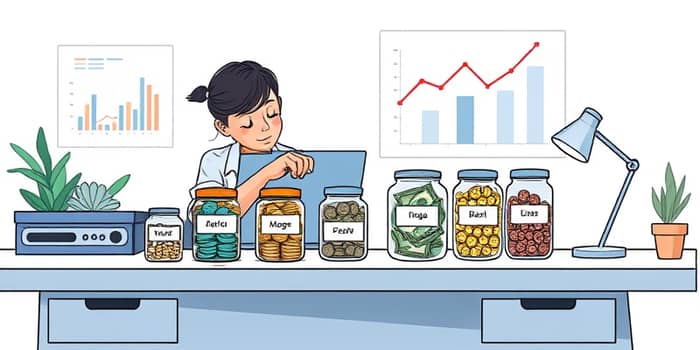
In a world of ever-growing financial complexity, adopting a lean mindset can transform the way you manage money. Drawing on principles from lean management, this approach focuses on eliminate avoidable financial waste and redefining value around what truly matters in life.
By treating each dollar as a precious resource, you gain clarity, agility, and resilience. This article explores practical steps to map your cashflow, streamline systems, and pursue ongoing improvement—helping you build a solid foundation for long-term prosperity.
At its core, lean management revolves around three pillars: delivering value, eliminating waste, and continuous improvement. When applied to personal finance, these pillars guide you toward decisions that enhance wellbeing, secure freedom, and foster meaningful experiences.
Maximize value per dollar means asking: What outcomes truly enrich my life? Security, health, growth, relationships, and joyful moments top the list for many. By clearly defining these priorities, you can redirect resources away from distractions and toward genuine goals.
The five classic lean principles map seamlessly: define your personal definition of a good life, track every dollar’s journey, simplify workflows so money flows effortlessly, spend only when value exceeds cost, and refine systems continually through small adjustments.
Lean thinking identifies eight forms of waste. In finance, these manifest as unnecessary fees, impulsive buys, or complex account structures that sap time and money. Recognizing these wastes is the first step to reclaiming resources.
By cataloging these wastes, you gain a clear view of where resources are leaking away. Small leaks, when left unchecked, can drain hundreds or thousands of dollars annually.
A simple table can help you visualize each waste type alongside real-world examples, making it easier to spot improvement opportunities.
Translating lean finance and lean accounting concepts into household routines helps you focus on high-value activities rather than manual bookkeeping or redundant approvals.
Standardized processes—like automatic transfers on payday—act as preventive controls, reducing errors. Regular reviews serve as quick standups, helping you pivot when life changes.
When each financial move is tied to a defined value stream, you stop letting your time and attention drift into low-impact activities. Instead, you channel energy toward goals that resonate with your vision of a good life.
Maintaining momentum requires the right toolbox. A combination of digital and analog methods can keep your lean financial life on track:
• A simple spreadsheet or app displaying balances, upcoming bills, and investment progress in one view.
• Notifications for approaching due dates, low balances, or subscription renewals—ensuring you address issues before they become costly.
• A weekly five-minute check-in ritual where you review variances, adjust allocations, and celebrate wins. Focus on ongoing small thoughtful adjustments rather than chasing perfection.
By visualizing your finances regularly, you build awareness of emerging wastes and can enact changes before they compound into bigger problems.
Moving from theory to action is the most powerful step. Start with three foundational moves:
As you gain confidence, layer in more refinements: renegotiating fees, exploring new income channels, or consolidating accounts. Over time, these incremental improvements culminate in a system that is both efficient and rewarding.
Embracing a lean financial life is not about austerity; it’s about making every dollar and minute count. Through clear value definitions, systematic waste elimination, and a commitment to continuous improvement, you cultivate foster long-term financial resilience and freedom.
By weaving lean principles into daily routines, your money works harder so you can focus on what truly enriches your life: growth, security, and meaningful experiences.
References