In today's complex financial landscape, subprime lending stands as a double-edged sword, offering both peril and promise to borrowers and lenders alike.
This article delves into its intricacies, aiming to empower you with knowledge that can transform financial challenges into pathways for growth and stability.
Whether you're navigating credit constraints or managing risk, understanding this sector is crucial for making informed decisions that resonate with your financial goals and values.
Subprime lending involves providing credit to individuals with impaired or incomplete credit histories, often due to past financial missteps or lower income levels.
These borrowers are considered higher risk compared to prime borrowers, leading lenders to charge significantly higher interest rates to offset potential losses.
Common examples include adjustable-rate mortgages, auto loans, and credit cards tailored for this market.
This practice can open doors to homeownership and asset-building for those otherwise excluded, yet it demands careful navigation to avoid pitfalls.
By demystifying its mechanisms, we can uncover strategies to harness its benefits while mitigating its dangers.
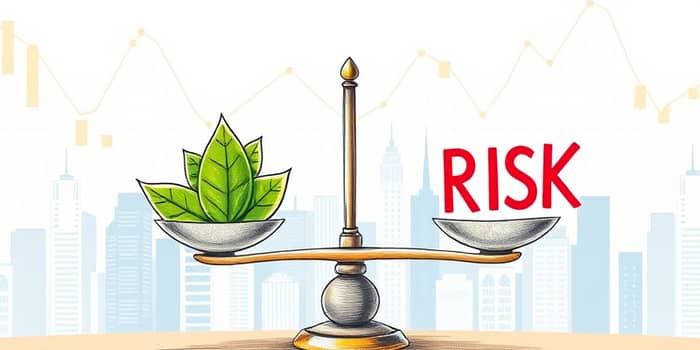
Engaging in subprime lending carries substantial risks that both borrowers and lenders must acknowledge.
Elevated default and delinquency rates are primary concerns, often resulting in financial strain for all parties involved.
These risks are compounded by operational and compliance challenges, such as increased servicing costs and potential violations in debt collection practices.
Predatory features like teaser rates have historically led to crises, underscoring the need for vigilance.
To safeguard against these dangers, institutions must implement robust policies and maintain adequate capital reserves to absorb unexpected losses.
Despite the risks, subprime lending presents significant opportunities that can foster financial inclusion and growth.
It expands credit access for marginalized groups, enabling them to achieve milestones like homeownership and education.
For lenders, this sector offers high yields and servicing fees, driving profitability in a competitive market.
This evolution stems from post-1980s deregulation, allowing for risk-based pricing that tailors credit to individual circumstances.
By embracing these opportunities responsibly, stakeholders can contribute to a more equitable financial ecosystem.
Subprime lending has deep roots in financial history, shaped by regulatory changes and economic cycles.
Its growth accelerated in the 1980s following deregulation, which encouraged innovation in credit markets.
However, the pre-2008 expansion was marred by risky features like no-down-payment mortgages, contributing to the global financial crisis.
This period highlighted the dangers of unchecked lending practices, leading to increased oversight from agencies like the FDIC and OCC.
Learning from this past, modern frameworks emphasize responsible lending to prevent similar downturns.
The subprime lending landscape in 2025 is characterized by evolving trends that reflect broader economic shifts.
Rising delinquencies across credit tiers indicate ongoing stress, even among superprime borrowers facing cost-of-living pressures.
These trends underscore the need for continuous monitoring and adaptation in lending practices.
Looking ahead, the future of subprime lending hinges on innovation and prudent management to balance risks and rewards.
AI and machine learning tools are poised to revolutionize credit decisions, offering more accurate risk assessments.
Emphasizing financial education for borrowers can empower them to make better choices and reduce default rates.
By embracing these mitigations, the subprime sector can evolve into a force for positive change, providing opportunities without compromising safety.
Ultimately, success lies in striking a balance—leveraging data-driven insights and ethical practices to build a resilient financial future for all.
References