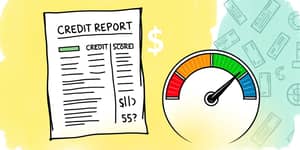
Your credit report is a detailed record of your credit activity, showing how you manage debt. It is a vital document that lenders, landlords, and insurers use to evaluate your financial trustworthiness.
By understanding the components of your report, you gain payment history and outstanding balances insight that can empower you to make informed decisions and safeguard your economic future.
Whether you are applying for a mortgage, negotiating a car loan, or seeking a new apartment, your credit report influences critical decisions in your life. It provides lenders with insight into your ability to manage debt responsibly and can affect the interest rate and terms you receive.
A credit report aggregates information about your borrowing and repayment habits into a single file. It includes open and closed accounts, payment histories, recent inquiries, and any public records such as bankruptcies or liens.
Financial institutions rely on this document to determine your eligibility for loans, credit cards, or rental agreements. Employers and insurers may also review your report to assess risk and reliability.
Key stakeholders who use your credit report include:
Understanding each section helps you identify errors, monitor accounts, and detect fraud early. The table below outlines the essential elements.
Your credit report acts as a mirror of your financial habits, revealing spending patterns, repayment behaviors, and risk factors. Consistent on-time payments contribute positively, while late or missed payments can linger for years.
In the United States, household debt topped $18.59 trillion as of September 2025, underlining the importance of individual credit management. Poor credit habits can lead to financial stress, affecting your borrowing costs and long-term goals such as homeownership or retirement planning.
Regular monitoring allows you to spot unauthorized accounts or fraudulent activity, giving you the opportunity to address issues before they escalate. In fact, experts recommend you regularly review your report and score to maintain full visibility.
Credit scores distill the data in your report into a single numeric value, reflecting your creditworthiness. These scores range from poor to excellent, influencing loan approvals and interest rates.
A higher score can unlock better terms and lower costs, while a lower score may lead to higher interest rates and stricter terms on credit products.
Credit scoring models evaluate factors such as payment history, debt-to-credit ratio, length of credit history, recent inquiries, and credit type diversity. Understanding these components can guide your efforts to raise your score over time.
Under U.S. law, you are entitled to one free report annually from each of the three major bureaus: Experian, Equifax, and TransUnion. Request your files directly through authorized platforms to ensure authenticity.
If you find inaccuracies—such as unfamiliar accounts or outdated entries—you can file a dispute with the reporting bureau. Provide documentation that supports your claim, and the bureau must investigate within 30 days. Correcting errors promptly helps protect your score and reputation.
When disputing an error, include copies of police reports or identity theft affidavits if relevant. Maintain thorough records of all communications, and follow up until the issue is resolved. Clearing inaccuracies can yield noticeable score improvements within weeks.
Building strong credit is a long-term commitment. By adopting prudent financial behaviors, you can enhance your report and strengthen your resilience against economic challenges.
Consider enrolling in a credit monitoring service or setting up alerts to track significant changes. These tools to detect identity theft can notify you of new accounts or unusual activity, enabling fast action against potential fraud.
Additionally, creating an emergency fund and avoiding excessive debt load contribute to maintain a healthy payment pattern and overall well-being.
Improving your credit can also reduce stress and anxiety. Achieving a higher score brings not only financial perks but also greater peace of mind and confidence in your economic stability.
Your credit report is more than a static document; it is an actionable tool to steer your financial journey. Frequent reviews, proactive dispute management, and disciplined credit habits can transform your report into a powerful ally.
Empower yourself with knowledge, stay vigilant for discrepancies, and pursue strategies that reinforce trust in your creditworthiness. By doing so, you open the door to economic opportunities, stability, and peace of mind.
References