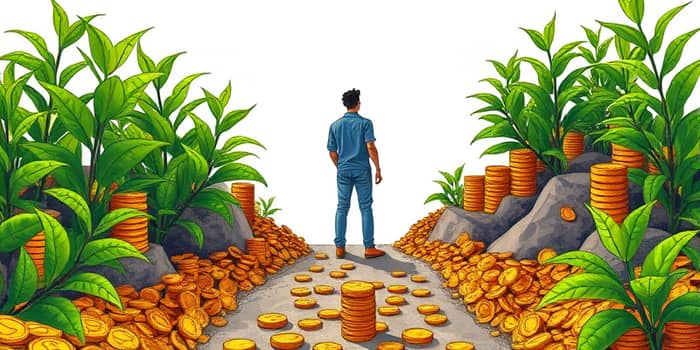
Our relationship with money extends far beyond numbers in a bank account. It is shaped by the stories we tell ourselves, the lessons we inherit, and the emotions we carry. In this journey, shift your internal narrative can transform every financial decision.
This article delves into the core of what drives our financial choices, revealing how a healthy mindset can unlock opportunities for security, freedom, and growth. Prepare to explore actionable steps, expert insights, and real-life examples that will guide you toward mastering both your mindset and your money.
At its core, a money mindset is the unique set of beliefs, attitudes, and perceptions that inform how you earn, spend, save, and invest. It acts as a filter through which you interpret every financial situation, from budgeting at the grocery store to planning for retirement.
Whether you view money as a source of stress or opportunity, this internal lens can either propel you forward or hold you back. By recognizing that deeply ingrained childhood beliefs often underpin your financial habits, you can begin to consciously reshape your perspective.
Your money mindset is forged by a combination of upbringing, personal experiences, and emotional triggers. Childhood lessons passed down by parents or guardians imprint powerful money scripts—subconscious narratives like “spending is scary” or “money equals happiness.”
Over time, traumatic events such as job loss or overwhelming debt can reinforce negative patterns, leading to avoidance, fear, or impulsive spending. Conversely, positive experiences—like successfully sticking to a budget or making a savvy investment—can bolster confidence and encourage risk-taking in healthy ways.
Understanding whether you hold a fixed belief that “I’m bad with money” or a growth-oriented attitude that skills improve with effort, as Carol Dweck suggests, is a pivotal step in transforming your financial life.
A positive money mindset is characterized by optimism, gratitude, and a belief in abundance. Those who cultivate this outlook are more likely to set clear financial goals, maintain consistent budgets, and plan for long-term wealth building. According to a Northwestern Mutual study, individuals with a positive mindset report higher levels of financial happiness and security.
In contrast, a scarcity mindset fosters anxiety, indecision, and short-term thinking. The American Psychological Association lists money as the top stressor for adults, and negative beliefs can exacerbate that burden, leading to cycles of debt and emotional spending.
Warren Buffett famously credits his success to a long-term perspective: rather than gambling on quick gains, he focuses on long-term wealth building strategies.
Even the most disciplined savers can fall prey to deeply rooted patterns that undermine progress. Recognizing these pitfalls in yourself can be liberating.
Brad Klontz, a psychologist and CFP, reminds us that our money scripts operate beneath conscious thought. By bringing them into the light, we gain the power to rewrite them.
Transforming your financial outlook requires both introspection and action. The following steps provide a roadmap to shift from scarcity to abundance and build lasting financial intelligence.
Emotions often drive our most critical money decisions. Stress, fear, and excitement can all trigger impulses that conflict with our long-term plans. By developing emotional intelligence—the ability to recognize and manage feelings—you gain a powerful ally in your wealth-building journey.
When you notice a surge of anxiety before opening a bank statement, pause. Recognize the feeling, assess its cause, and choose a response grounded in your long-term strategy rather than a short-term fix.
Financial intelligence is not a static achievement but an evolving skill set that combines budgeting know-how, investment strategies, and emotional regulation. As markets shift and personal circumstances evolve, your mindset must adapt in tandem.
Your financial destiny is not predetermined by your income or background but by the stories you embrace and the actions you take. By cultivating a positive money mindset, you unlock resilience, clarity, and the freedom to pursue your aspirations.
Remember Dave Ramsey’s wisdom: a positive attitude about money is the foundation of wealth-building. Take the first step today by challenging your old beliefs and committing to consistent, informed decisions. Your future self will thank you for planting the seeds of abundance and watching them grow into lasting prosperity.
References